Debunking Common Healthy Eating Myths
At NutriWell, we are committed to providing you with accurate and evidence-based information about nutrition. Many misconceptions circulate regarding healthy eating, which can be confusing and even detrimental to your health goals. This page aims to debunk some of the most prevalent myths, offering clarity and guidance towards a healthier lifestyle. Our team, led by Dr. Anya Sharma, a registered dietitian with over 15 years of experience, and supported by research from the NutriWell Institute for Food Sciences in Seattle, Washington, strives to provide you with the most up-to-date and reliable information.
Myth: All Calories Are Created Equal
This is a widespread misconception. While a calorie is a unit of energy, the nutritional value and impact on your body differ significantly depending on the source. 100 calories from a candy bar will have a vastly different effect on your blood sugar, satiety, and overall health compared to 100 calories from broccoli. Focus on nutrient-dense foods that provide vitamins, minerals, and fiber, in addition to energy.
Debunked: The source of calories matters. Prioritize whole, unprocessed foods over processed options.
Myth: Eating Fat Makes You Fat
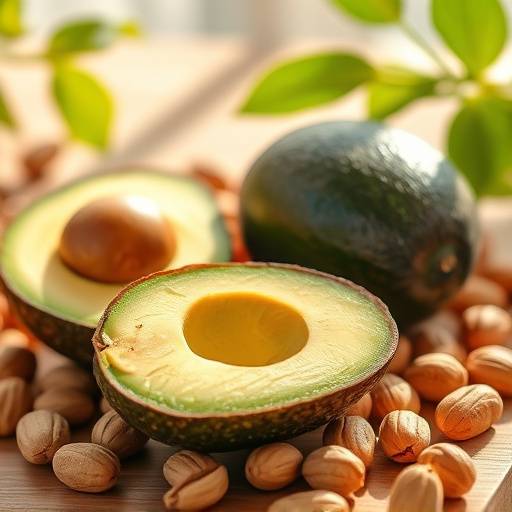
For years, fat has been demonized as the primary culprit for weight gain. However, healthy fats are essential for hormone production, cell function, and nutrient absorption. Consuming excessive amounts of any macronutrient (fat, carbohydrates, or protein) can lead to weight gain, but including healthy fats like those found in avocados, nuts, seeds, and olive oil is crucial for overall health.
Debunked: Healthy fats are necessary for optimal health and don't automatically lead to weight gain. Focus on unsaturated fats and limit saturated and trans fats.
Myth: Carbs Are Bad for You
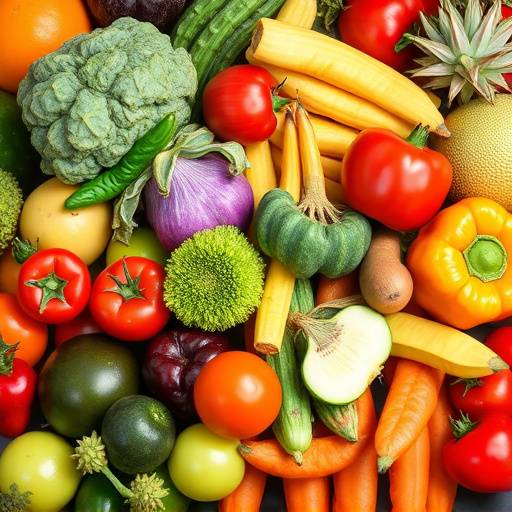
Similar to fat, carbohydrates have also been unfairly targeted. Carbs are your body's primary source of energy. The key is to choose complex carbohydrates like whole grains, fruits, and vegetables, which are rich in fiber and nutrients. Avoid refined carbohydrates like white bread, sugary drinks, and processed snacks, which can cause rapid blood sugar spikes and crashes.
Debunked: Complex carbohydrates are an essential part of a healthy diet. Focus on whole grains, fruits, and vegetables.
Myth: You Should Only Eat Organic Food
While organic food can have some benefits, such as reduced pesticide exposure, it is not necessarily healthier than conventionally grown food. Both organic and conventionally grown produce can be part of a nutritious diet. If organic food is not accessible or affordable, don't worry – focus on consuming a variety of fruits and vegetables, regardless of how they are grown.
Debunked: Both organic and conventionally grown produce can be nutritious. Prioritize variety and affordability.
Myth: Skipping Meals Helps You Lose Weight
Skipping meals can actually hinder weight loss efforts. When you skip meals, your body may enter "starvation mode," slowing down your metabolism and making you more likely to overeat later. Eating regular, balanced meals helps stabilize blood sugar levels, prevents cravings, and supports a healthy metabolism. Aim for three meals a day, plus healthy snacks if needed.
Debunked: Skipping meals can negatively impact your metabolism and lead to overeating. Regular, balanced meals are more effective for weight management.
Myth: Detox Diets Are Necessary for Cleansing Your Body
Your body has its own natural detoxification system, primarily through the liver and kidneys. Detox diets are often restrictive and can be harmful. Focus on supporting your body's natural detoxification processes by eating a healthy diet rich in fruits, vegetables, and water.
Debunked: Your body naturally detoxifies itself. Support this process with a healthy diet and hydration.
Myth: Eating Before Bed Leads to Weight Gain
It's not necessarily the time of day that matters, but rather the total calories consumed. Eating a large, unhealthy meal before bed can contribute to weight gain, but a small, healthy snack is unlikely to have a significant impact. Listen to your body and eat when you're hungry, regardless of the time of day. If you are hungry before bed, opt for a light snack like a handful of nuts or a small yogurt.
Debunked: Total calorie intake is more important than the time of day you eat. Choose healthy snacks if you're hungry before bed.
Myth: Juicing is Healthier Than Eating Whole Fruits and Vegetables
While juicing can be a convenient way to consume some vitamins and minerals, it lacks the fiber found in whole fruits and vegetables. Fiber is essential for digestive health, blood sugar control, and satiety. Eating whole fruits and vegetables provides more nutritional benefits than juicing.
Debunked: Whole fruits and vegetables are generally healthier than juice due to their fiber content.
Myth: Egg Yolks Are Unhealthy
Egg yolks contain cholesterol, which led to the misconception that they are unhealthy. However, dietary cholesterol has a minimal impact on blood cholesterol levels for most people. Egg yolks are a rich source of nutrients, including vitamins, minerals, and healthy fats. Unless you have a specific medical condition, enjoying eggs, including the yolks, can be part of a healthy diet.
Debunked: Egg yolks are nutritious and can be part of a healthy diet for most people.

Myth: Superfoods Are the Key to Perfect Health
The term "superfood" is often used to market foods with high nutrient content. While foods like blueberries, kale, and salmon are undoubtedly nutritious, they are not a magic bullet for perfect health. A balanced and varied diet, including a wide range of fruits, vegetables, whole grains, and lean proteins, is more important than focusing solely on so-called superfoods. Remember, variety is the spice of life, and of a healthy diet!
Debunked: No single food can guarantee perfect health. A balanced and varied diet is key.